 English
 Français
 Deutsch
 Português
 Español
 русский
  한국어
한국어 العربية
 Italiano
 Indonesia
 Schweiz
 Polski
 Nederlands
 ישראל - עברית
 Perzisch
 ไทย
ไทย 日本語
日本語 ኢትዮ-አማርኛ
 Việt Nam
 Kiswahili
 Srpski
 Ελληνικά
 简体中文
简体中文Steel Structure Stadium Roof Truss-Stadium Building
Steel Structure Stadium Roof Truss: Building the Future of Sports Infrastructure
The design and construction of modern sports venues has evolved significantly, with steel structure stadium roof trusses playing a pivotal role in creating iconic and functional spaces. This article delves into the intricacies of steel structure stadium construction, focusing on the advantages and technical aspects of utilizing steel trusses for stadium roofs. Steel structures not only enhance the aesthetics of stadiums but also provide crucial structural support, ensuring the safety and comfort of spectators.
Understanding Stadium Design
The Role of Steel Structures in Stadiums
Steel structure stadium construction has revolutionized the way sports facilities are built, offering unmatched durability and strength. The decision to choose a steel structure for a stadium often comes down to its superior ability to withstand various natural disasters, including earthquakes and high winds. As the main structure of the stadium, steel enables the creation of large span areas, allowing for unobstructed views for spectators. Steel allows complex designs, facilitating the construction of state-of-the-art sports stadiums and sports complexes.
Overview of Truss Structures
Truss structures, especially steel truss systems, are essential in modern stadium building due to their efficient load-bearing capabilities. A truss made of steel is designed to distribute weight evenly, making it ideal for covering large spans with minimal material. The use of space frame structures and space truss designs allows for even greater structural efficiency and aesthetic possibilities. The structural integrity ensures that the roof can withstand extreme weather, protecting the sports events and fans.
Importance of Stadium Roofs
Stadium roofs are more than just aesthetic features; they are critical components that enhance the functionality and comfort of sports stadiums. A stadium roof provides shelter from the elements, ensuring sports events can proceed regardless of weather conditions. Steel structure stadium roofs, particularly those using truss systems, offer exceptional wind resistance and durability. The use of a canopy or full roof system dramatically improves the spectator experience, increasing the venue's appeal for a variety of sports events and activities.
Advantages of Steel Structure Stadiums
Technical Advantages of Steel Trusses
Steel truss systems provide numerous technical advantages in stadium building. Steel structure stadium roofs are inherently strong, allowing them to withstand heavy loads and extreme weather conditions, including earthquakes and high winds. The use of steel structure in a truss enables the engineer to design a structure that can achieve a large span without the need for intermediate columns, maximizing space and improving spectator views. Their high strength-to-weight ratio, compared to traditional construction materials, makes steel trusses ideal for covering vast areas in sports venues.
Benefits of Prefabrication in Construction
Prefabrication plays a crucial role in modern steel stadium construction, significantly reducing construction time and on-site labor. This efficiency stems from several key advantages:
- Prefabricated steel components, like steel truss elements, are manufactured off-site under controlled conditions, ensuring high-quality and precise dimensions.
- These prefabricated steel elements are then transported to the site and assembled, accelerating the overall construction period.
Prefabrication also minimizes waste and enhances safety, making it a sustainable and efficient choice compared to traditional construction methods for constructing modern sports facilities.
Customization Options for Stadium Roofs
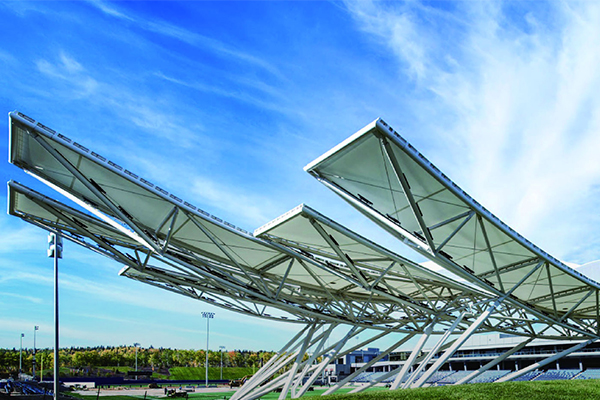
Steel structure stadium roofs offer extensive customization options to meet the specific needs and aesthetic desires of a sports stadium. The steel allows for the creation of complex and innovative roof designs, including cantilever and space frame structures, that enhance the stadium's visual appeal. Customization extends to the integration of lighting, sound systems, and even retractable elements, providing versatility for various sports events and activities. The structural integrity of steel, even in customized configurations, ensures the safety and comfort of large crowds.
Choosing the Right Steel Structure
Factors to Consider in Steel Stadium Design
When designing a steel structure stadium, several critical factors must be considered to ensure the safety, functionality, and longevity of the sports stadium. Key considerations include:
| Factor | Influence |
|---|---|
| Seating capacity | Dictates the span and complexity of the roof structure, influencing the required steel truss system. |
| Earthquake resistance and wind resistance |
Crucial in regions prone to natural disasters, necessitating robust steel structure design to withstand extreme conditions. |
Careful consideration of these factors is essential for a successful stadium building project.
Comparing Traditional Construction vs. Steel Structures
Compared to traditional construction methods, steel structures offer significant advantages for stadium construction. These advantages can be summarized as follows:
| Feature | Advantage of Steel Structures |
|---|---|
| Durability & Strength | Ideal for creating large span areas. |
| Construction Time | Faster due to prefabrication of components. |
| Long-Term Value | Reduced maintenance and enhanced earthquake and wind resistance. |
For complex sports venues, choosing a steel structure proves to be a more efficient and reliable option.
Case Studies of Successful Stadium Building
Numerous case studies highlight the successful application of steel structure stadium construction. For example, the AT&T Stadium uses a vast space frame structure and steel truss system to cover its expansive football field, showcasing the ability of steel to achieve impressive large span areas. Another sports stadium shows how prefabricated steel components and the advanced truss design allowed for rapid construction period and reduced disruption to the surrounding area. These examples demonstrate the advantages of steel structures and truss designs in creating iconic and functional sports facilities.
Innovative Truss Designs
Exploring Space Truss Systems
Space truss systems represent a cutting-edge approach to steel structure stadium design, offering unparalleled efficiency and versatility. A space frame structure distributes loads in three dimensions, enabling the creation of large span stadium roof structures with minimal material. Space truss systems are particularly effective in handling complex geometries, making them suitable for customizable and aesthetically striking sports venues. The engineer can optimize the structure to achieve both structural integrity and architectural elegance by using the spatial distribution of forces that these truss systems provide.
Canopy Structures for Enhanced Spectator Experience
Canopy structures are crucial for enhancing the spectator experience in sports stadiums. A stadium roof, particularly those designed as a canopy, provides essential shelter from the elements, allowing sports events to proceed regardless of weather conditions. Steel truss systems are ideally suited for supporting canopy structures due to their strength and ability to create large span areas without obstructing views. Innovative roof structure designs integrate lighting and sound systems, creating a more immersive and enjoyable atmosphere for large crowds. The stadium becomes more versatile as a sports center and/or sports complex.
Future Trends in Stadium Roof Design
Future trends in stadium roof design are leaning towards greater sustainability, flexibility, and technological integration. Expect to see more use of lightweight steel structure materials and advanced prefabrication techniques to minimize construction time and environmental impact. Retractable stadium roof systems will become more common, providing versatility for a range of sports events and activities. The integration of solar panels and smart technologies into the roof will enhance energy efficiency and create more interactive experiences for spectators in sports venues.
Contact Us
Building Global Landmarks
with China's Steel Excellence