

 English
 Français
 Deutsch
 Português
 Español
 русский
  한국어
한국어 العربية
 Italiano
 Indonesia
 Schweiz
 Polski
 Nederlands
 ישראל - עברית
 Perzisch
 ไทย
ไทย 日本語
日本語 ኢትዮ-አማርኛ
 Việt Nam
 Kiswahili
 Srpski
 Ελληνικά
 简体中文
简体中文AISC-Certified Steel Fabrication Quality Standards and Requirements Explained
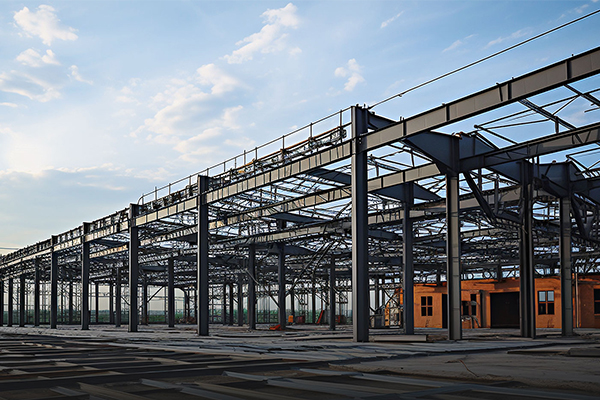
If you’re involved in structural steel projects, understanding AISC-Certified Steel Fabrication isn’t just a nice-to-have—it’s a must. This certification sets the gold standard for quality, safety, and compliance in steel fabrication, ensuring your project stands the test of time. In this article, we break down the key quality requirements behind AISC certification so you can see why it matters, how it boosts your project’s success, and what certified fabricators do differently. Ready to make smarter, safer choices for your next build? Let’s get started.
What Is AISC Certification?
If you’re wondering what AISC certification means in steel fabrication, it all starts with the American Institute of Steel Construction (AISC). Established as a leading authority in the steel industry, AISC develops rigorous certification programs to ensure quality and reliability in structural steel fabrication.
Overview of AISC and Its Certification Programs
AISC offers several certification types aimed at fabricators and erectors in the steel construction market. These programs set clear standards and quality control processes designed to improve overall project outcomes. The most common certification for fabricators is the Certified Building Fabricator designation, which focuses on the stringent requirements necessary for building projects.
Primary Categories Relevant to Steel Fabricators
- Certified Building Fabricator: This is the primary category for companies involved in fabricating structural steel for commercial and residential buildings. It covers material procurement, fabrication processes, quality control, and traceability.
- Bridge Fabricator Certification: A separate endorsement aimed at fabricators specializing in bridge projects, which require additional standards due to the nature of infrastructure demands.
- Hydraulic Structures: Another specific endorsement tailored for fabricators working on dams, water treatment plants, and related heavy civil projects.
Each of these certifications upholds the AISC fabrication standards, but they differ based on project type and complexity.
Fabrication Certification vs. Related Endorsements
It’s important to distinguish between a general AISC certification for fabricators and additional endorsements focused on niche markets like bridges or hydraulic structures. The general certification covers most structural steel fabrication needs, while endorsements are designed for specialized requirements that go beyond standard building codes.
In short, AISC certification verifies that a fabricator’s quality management system, procedures, and skills meet high industry standards, providing confidence in the structural steel quality management system and fabrication process controls. This certification is a mark of trust throughout the United States market, especially for large-scale projects where durability and compliance are non-negotiable.
Why AISC Certification Matters in Steel Fabrication
Having AISC certification means your steel fabricator is focused on preventing errors rather than fixing mistakes after the fact. This approach leads to smoother projects with fewer delays and costly reworks, boosting overall efficiency.
From a competitive standpoint, being an AISC-certified fabricator opens doors to more bidding opportunities. Owners and contractors trust certified shops because they reduce the need for extensive inspections, lowering project costs and speeding up timelines.
Most importantly, AISC certification directly impacts the quality and safety of the final structure. Certified fabricators follow strict standards that ensure structural steel quality management systems deliver strong, durable results that last. This builds owner confidence and meets building codes for long-lasting performance.
Core Components of a Quality Management System (QMS)
A strong structural steel quality management system (QMS) is a must-have for any AISC-certified steel fabricator. It needs to be fully documented and cover every step of the fabrication process—from material receipt to final delivery. This ensures consistent quality and traceability throughout the project.
Key parts include:
- Executive management commitment: Leaders must be fully engaged, setting clear annual improvement goals and supporting quality initiatives. Without top-down support, the QMS won’t be effective.
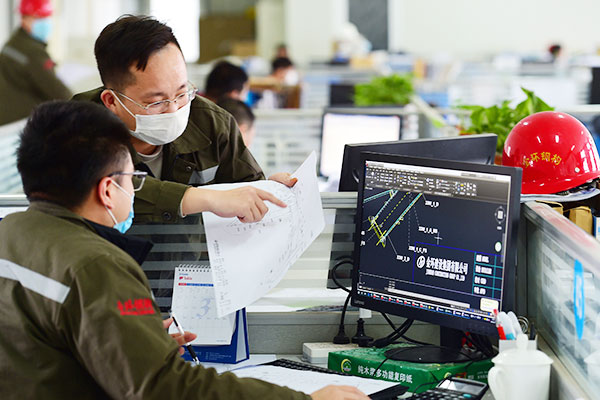
- Employee training and qualifications: Teams involved in detailing, welding, inspection, and purchasing must have up-to-date records on their skills and certifications. Ongoing training keeps everyone sharp and compliant with AISC certification requirements.
- Continuous competency development: Learning doesn’t stop after certification. Regular refreshers and new skill training are vital to meet evolving standards and maintain high performance.
This solid QMS foundation supports meeting AISC fabricator standards and drives consistent quality control in steel fabrication projects across the US market.
Key Quality Requirements for AISC-Certified Fabricators
To meet AISC certification requirements, fabricators must follow strict quality standards in several areas. Here’s a quick look at the main quality requirements that keep steel fabrication reliable and up to code:
| Requirement | Description |
|---|---|
| Personnel Qualifications | Skilled staff for detailing, purchasing, quality control, and inspection must have proper training and certifications. |
| Material ID & Traceability | Clear, documented procedures ensure every material is tracked from purchase through fabrication. |
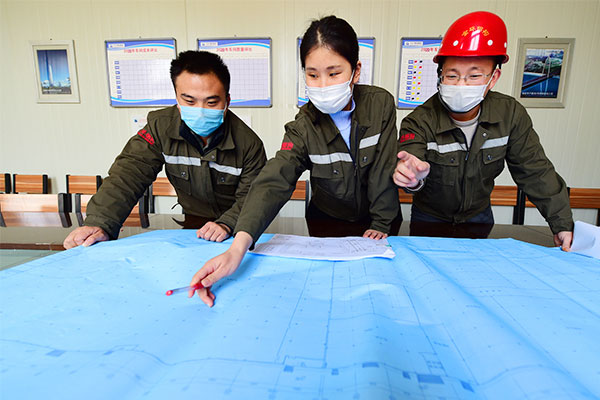
| Detailing & Checking Processes | Follow the AISC Code of Standard Practice to make sure all plans and revisions are accurate and reviewed. |
| Equipment Calibration | Tools and machines must be regularly calibrated to maintain precise cuts, welds, and assembly. |
Following these quality rules ensures fabricators deliver consistent structural steel quality management system results. Plus, these standards help reduce errors early, saving time and cost on big projects.
Inspection and Testing Standards
AISC-certified steel fabricators follow strict inspection and testing standards to ensure top quality at every step. This includes in-process inspections, final inspections, and nondestructive testing (NDT) to catch issues early and avoid costly fixes later.
Key points include:
- Welding procedures: Every weld is checked to meet AISC welding inspection standards, ensuring strong, consistent joins.
- Bolting inspections: Proper bolt torque and alignment are verified to comply with AISC requirements, guaranteeing structural integrity.
- Surface preparation and coating controls: Surfaces are prepared and coated following strict protocols to protect against corrosion and extend durability.
Record-keeping is a top priority. Fabricators maintain detailed logs of all inspections, any nonconformances found, and the corrective action procedures used to fix issues. This transparency supports quality control and continuous improvement under the AISC QMS requirements.
By adhering to these inspection and testing protocols, AISC-certified fabricators deliver reliable, long-lasting steel structures that meet both client expectations and building codes.
Fabrication Process Controls
Keeping tight control over the fabrication process is key to meeting AISC certification requirements. This starts with proper material handling—ensuring steel components are stored and moved without damage to maintain quality and traceability. During cutting and welding, fabricators must follow precise procedures to avoid defects and ensure structural steel quality management system standards are upheld.
Assembly is another critical step. The parts must fit together within strict tolerance limits to guarantee geometric accuracy and proper fit-up. This reduces rework and keeps projects on schedule.
Buy-out items and subcontracted work require clear oversight. Fabricators need documented processes for managing these external parts to maintain consistent quality across the whole project. This includes verifying supplier compliance and monitoring subcontractor performance, so everything aligns with the AISC certified fabricator standards.
Controlling every stage—from material handling to assembly—helps deliver steel structures that meet AISC fabrication standards and pass all the necessary inspections smoothly.
Audits, Maintenance, and Continuous Improvement
Getting and keeping AISC certification isn’t a one-and-done deal. It starts with an initial certification process where your facility undergoes thorough on-site audits. These audits check if your steel fabrication quality control meets the AISC certified fabricator standards. After that, you’ll face annual renewals involving regular inspections to ensure you maintain those high standards over time.
Part of this upkeep involves management reviews and internal audits. These help you spot issues early and apply corrective action procedures swiftly to avoid bigger problems. Keeping solid records of inspections and nonconformances is key here. Plus, your team needs to stay sharp, updating training as needed to uphold your structural steel quality management system.
Staying current with AISC updates — like the latest AISC 207-23 changes — is crucial. These revisions can affect fabrication processes, inspection protocols, or QMS requirements. Being proactive on continuous improvement not only ensures compliance but also boosts your reputation as a reliable, AISC-certified fabricator in the US market.
Key points to remember:
- Initial certification involves detailed audits of your full fabrication process.
- Annual renewals verify ongoing compliance with AISC fabrication standards.
- Management reviews and internal audits support continual quality improvements.
- Corrective actions address any found nonconformances quickly.
- Keep up with AISC standard updates like AISC 207-23 for smooth project delivery.
Benefits of Partnering with an AISC-Certified Fabricator
Choosing an AISC-certified steel fabricator comes with clear advantages that can make a big difference in your project’s success. Here’s how working with a certified fabricator helps:
Reduced Risks
Proven quality management means fewer mistakes and defects
Clear documentation helps avoid costly rework
Compliance with AISC certification requirements reduces liability
Faster Project Timelines
Streamlined processes based on AISC-certified fabrication standards
Less inspection and fewer hold-ups on site
Efficient coordination with engineers and contractors
Cost Savings
Lower inspection fees thanks to recognized quality systems
Fewer corrections and delays cut overall costs
Better material traceability minimizes waste and misorders
Proven Success in Complex Projects
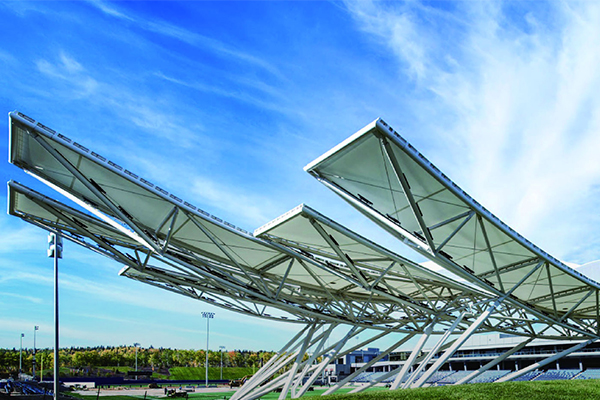
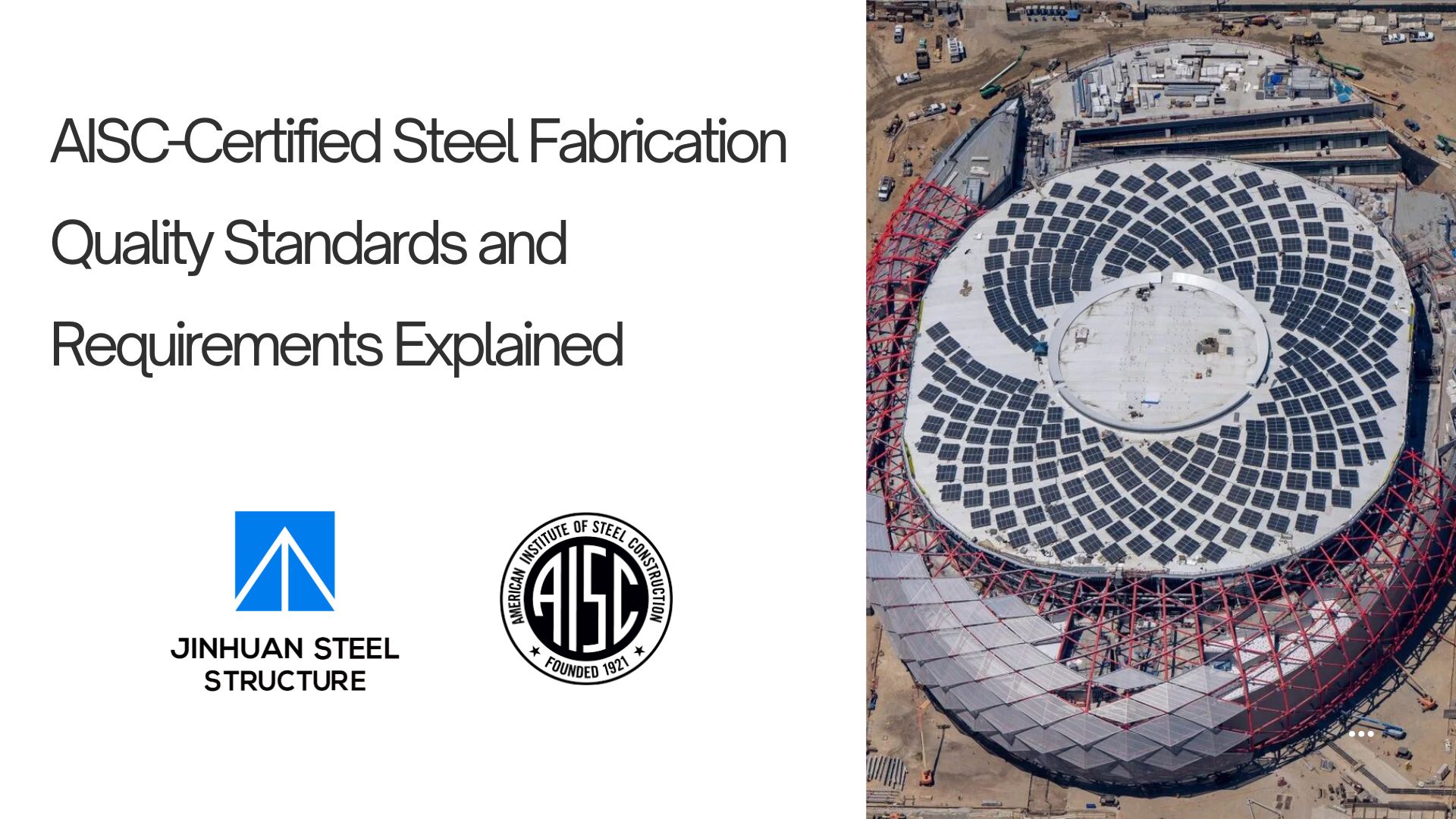
Many large-scale sports stadiums and long-span structures depend on AISC-certified fabricators. Their experience in handling custom stadium steel fabrication and large-span steel projects shows the value of strict quality control.
| Project Type | Benefits of AISC Certification | Outcome Highlights |
|---|---|---|
| Stadium Steel Fabrication | Trusted quality & on-time delivery | Structural integrity ensured |
| Large-Span Steel Structures | Precise tolerance control | Durable, safe construction |
| Custom Steel Solutions | Tailored fabrication processes | Meets specific project specs |
Alignment With Building Codes and Owner Specs
AISC certification ensures steel fabrication meets or exceeds U.S. building codes and owner requirements. This reduces the risk of compliance issues down the road and adds an extra layer of confidence for all stakeholders.
Partnering with an AISC-certified fabricator means you get quality, reliability, and peace of mind—critical for any structural steel project.
How Jinhuan Steel Structure Upholds AISC Standards
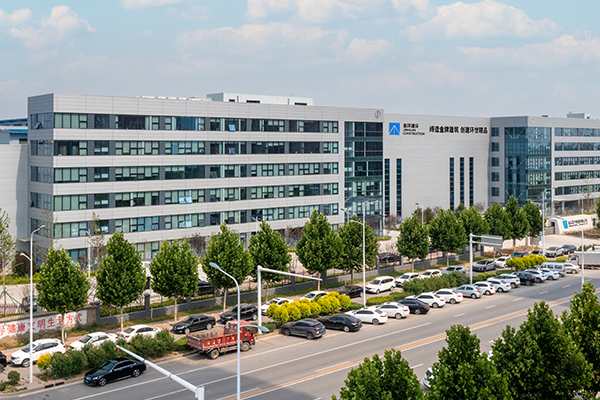
At Jinhuan Steel Structure, we’re proud to be an AISC-certified steel fabricator committed to delivering high-quality, certified structural steel fabrication. Our team specializes in custom steel solutions, handling large-span projects and stadium steel fabrication with precision and care. We follow strict AISC certification requirements and maintain a robust quality management system to meet every AISC fabrication standard.
If you’re looking for a reliable partner for your next steel fabrication project—whether it’s a sports stadium or other complex structure—Jinhuan Steel Structure is ready to bring your plans to life while ensuring full compliance with AISC building fabricator certification standards. Reach out anytime to discuss how we can support your project with certified steel fabrication you can trust.
Related Sources
Contact Us
Building Global Landmarks
with China's Steel Excellence