 English
 Français
 Deutsch
 Português
 Español
 русский
  한국어
한국어 العربية
 Italiano
 Indonesia
 Schweiz
 Polski
 Nederlands
 ישראל - עברית
 Perzisch
 ไทย
ไทย 日本語
日本語 ኢትዮ-አማርኛ
 Việt Nam
 Kiswahili
 Srpski
 Ελληνικά
 简体中文
简体中文Stadium Steel Structure Systems Design Cost and Key Technical Features
Explore 2026 stadium steel structure systems: large-span roofs, retractable designs, cost breakdowns, and iconic case studies. A complete guide for engineers and developers.
Industry News
December 23, 2025
If you’re involved in developing or designing a stadium, understanding stadium steel structure systems is non-negotiable. These large-span steel frameworks define not only the architectural character but also the structural performance of modern sports arenas. Whether you’re a project owner, engineer, or fabricator, mastering the technical nuances—from space frames and mega-trusses to cable-stayed and retractable steel roofs—is essential for success. This guide cuts through the complexity with clear insights into current structural systems, key design challenges, cost drivers, and real-world examples to help you make informed decisions in 2025 and beyond. Let’s dive into the backbone of today’s cutting-edge stadium architecture: steel structures engineered to deliver strength, durability, and iconic presence.

Mainstream Stadium Steel Roof Structural Systems (2026 Status)

Stadium steel roof structures have evolved significantly by 2026, offering multiple mainstream systems tailored to meet large-span requirements, aesthetic demands, and operational functionality. Below is an overview of the key structural types in use today, each with unique characteristics suited for different stadium designs:

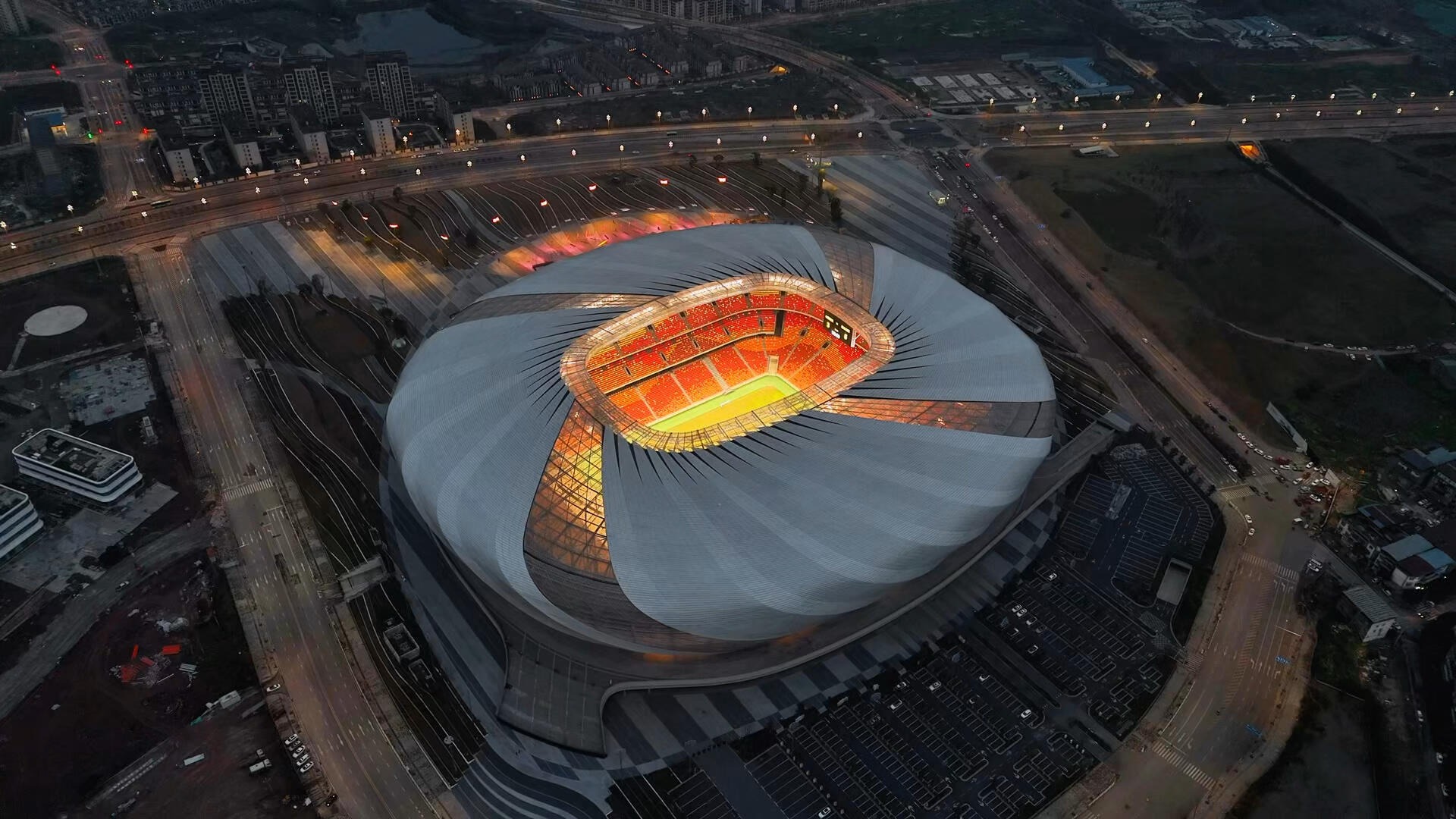
Double-Layer & Triple-Layer Space Frames / Space Trusses
-
Description: These multi-layered space frame systems use interconnected steel members arranged in a geometric lattice to achieve exceptional strength and rigidity. -
Use: Ideal for spans between 60 to 120+ meters with high load capacity and stiffness. -
Benefits: Lightweight relative to load, good for creating column-free spans, excellent visual transparency when designed carefully. -
Applications: Common in modern arenas focused on long-span coverage without obstruction.
Mega-Truss + Secondary Steel Roof System
-
Description: Combines massive primary trusses (mega-trusses) supporting a secondary steel roof grid. The mega-trusses bear the main loads, while the secondary system transfers local loads. -
Use: Suitable for very large spans over 100 meters where heavy roof loads or retractable roof mechanisms are present. -
Benefits: High load capacity and versatility, easier to integrate with retractable roofs and complex geometries. -
Applications: Used in large stadiums with significant roof equipment or architectural complexity.
Cable-Stayed Roof Structures (Radial / Central Mast Type)
-
Description: Steel cables anchored either radially around the roof perimeter or via a central mast support the roof membrane or steel beams in tension. -
Use: Effective for graceful, lightweight roofs and large-span enclosures up to 150 meters. -
Benefits: Minimal steel tonnage, visually striking with open, transparent structural layouts. -
Applications: Often applied for medium to large stadiums seeking an iconic design with cable technology.
Cable-Net & Tension Structure Roof Systems
-
Description: Steel cables form a net or grid tensioned across supporting elements, carrying roof loads through tension. Sometimes combined with tensile fabric membranes. -
Use: Popular for roofs requiring lightweight, flexible coverings and complex shapes. -
Benefits: Extremely lightweight steel structure, reduces material usage, allows natural light penetration. -
Applications: Ideal for stadiums in warm climates or where daylighting and weather protection are key priorities.
Retractable Roof Systems – Steel Structure Characteristics & Challenges
-
Description: Moving roofs rely on robust steel frameworks designed for dynamic loads, mechanisms, and thermal movements. -
Challenges:-
Complex detailing for fatigue resistance due to repetitive motion. -
Temperature stress control crucial to maintain operation precision. -
Higher steel tonnage and coordination complexity than fixed roofs.
-
-
Benefits: Offers flexibility for event hosting and weather control, but demands tight engineering and fabrication standards.
Quick Comparison Table of Mainstream Steel Roof Systems
| System | Span Capability (m) | Steel Tonnage* | Visual Transparency | Construction Difficulty | Cost Level |
|---|---|---|---|---|---|
| Double/Triple-layer Space Frame | 60 – 120+ | Medium | Medium | Moderate | Moderate |
| Mega-Truss + Secondary Roof | 80 – 150+ | High | Low-Medium | High | High |
| Cable-Stayed (Radial/Central) | 80 – 150 | Low-Medium | High | Moderate-High | High |
| Cable-Net & Tension Structures | 50 – 120 | Low | Very High | High | Moderate |
| Retractable Roof Systems | 80 – 140+ | Very High | Medium | Very High | Very High |
*Steel tonnage relative to span and roof system complexity.
These systems represent the state-of-the-art options for large-span stadium steel roofs today, balancing structural performance, architectural expression, and cost constraints. Understanding their traits helps engineers and owners pick the best fit for their specific project needs in 2026 and beyond.


Core Technical Challenges Specific to Stadium Steel Structures

When working with stadium steel structures, several unique challenges come up, especially with long-span designs and tough usage demands. Here’s a quick breakdown of the main technical hurdles we face:

1. Large Column-Free Spans (60–100+ m)
-
Achieving truly large-span steel roofs without internal columns is critical for unobstructed views. -
Steel space frames and mega-trusses often tackle this, but as spans grow beyond 100 meters, design complexity and steel tonnage increase sharply.
2. Spectator Sightline Requirements
-
Every seat must have a clear sightline. This means the roof structure can’t block views. -
Steel truss positioning and roof slope must be carefully engineered to meet strict stadium sightline steel structure criteria.
3. Dynamic Performance: Wind, Crowd Vibration & Seismic Loads
-
Stadium roofs face unique dynamic loads: gusty winds, rhythmic crowd movement, and potential earthquakes. -
Steel framing and connections require detailed dynamic analysis to avoid fatigue and ensure comfort and safety.
4. Roof Integrated with Façade – The “Ring Beam” Problem
-
The roof often connects to the façade via a continuous steel “ring beam.” -
This beam must resist complex forces while allowing some movement – a tricky balance in stadium steel roof designs.
5. Long-Term Durability in Aggressive Environments
-
Coastal areas or regions with high rainfall and UV exposure accelerate steel corrosion. -
Protective coatings and materials must be ultra-durable to maintain structural integrity over decades.
6. Fire Protection for Large-Span Steel Roofs
-
Large steel roofs require effective fireproofing to meet safety codes. -
Passive fire protection (intumescent coatings, fireproof cladding) is standard to keep steel strong during emergencies.
Table: Core Challenges & Considerations
| Challenge | Key Focus | Typical Solutions |
|---|---|---|
| Large Column-Free Spans | Maximize clear span, reduce columns | Space frames, mega-trusses, cable-stayed |
| Spectator Sightlines | Unobstructed views | Low-profile trusses, optimized roof slope |
| Dynamic Performance | Vibration control, seismic safety | Anti-fatigue detailing, dynamic analysis |
| Roof-Façade Integration | Ring beam flexibility + strength | Specialized joint design, flexible bearings |
| Durability in Harsh Environments | Corrosion resistance | Advanced coatings, stainless steel elements |
| Fire Protection | Code compliance, safety | Intumescent paint, fireproof panels |
These factors define success or failure in stadium steel structures, especially for U.S. stadium projects facing varied climates and heavy usage.

Design & Detailing Focus Points That Make the Difference in Stadium Steel Structures

When designing a stadium steel structure, the details truly separate a good project from a great one. Here are the key design and detailing points to keep front and center for your stadium roof steel system:

Joint Design Philosophy

Choosing the right joint affects strength, cost, and ease of assembly. The main options:
| Joint Type                | Pros                                | Cons                                  | Common Use                                         |
|----------------------------|----------------------------------|------------------------------------|-----------------------------------------------------|
| Cast Steel Nodes    | Strong, complex shapes possible | High cost, longer lead times | Space frames, large nodes |
| Welded Box Nodes | Good strength, easier fab | Heavier, sometimes bulkier | Mega-trusses, trusses                      |
| CHS Intersections   | Lightweight, clean lines | Complex welding, connection design | Cable-stayed, smaller spans |

Member Section Selection

Choosing between round tubes, box sections, or H-sections impacts load capacity and aesthetic appeal.
-
Round Tubes: Great for tension members and fatigue resistance; sleek look -
Box Sections: High torsional stiffness; easy to connect and fabricate -
H-Sections: Cost-effective for heavy compression members; common in beams/trusses
Temperature Stress & Deformation Control

Stadium roofs, especially retractable ones, face big temperature swings that cause expansion and contraction. Design must:
-
Allow controlled movement with expansion joints or sliding supports -
Use materials and coatings that minimize thermal distortion -
Incorporate deformation monitoring where possible
Anti-Fatigue Detailing for Wind & Crowd Loads

Stadium steel structures face constant cyclic loading from wind gusts and thousands of cheering fans. To handle this:
-
Use welded joints with clean, smooth transitions to reduce stress concentrations -
Prefabricate fatigue-sensitive details off-site for consistency -
Factor in dynamic loads during design for long-term durability
Modular Prefabrication & Transport Size

Prefabrication is king for quality control and speed, but transport limits max module size. Here’s what to consider:
-
Module size: Typically limited by road transport (40–60 ft max length/width, height varies) -
Prefabrication rate: Aim for 70-85% shop fabrication on stadium steel roofs today -
Modular design: Plan connections for simple on-site assembly without heavy welding
Balancing these design and detailing choices is essential to deliver a stadium steel structure that’s strong, efficient, and built to last. A focus on the right joints, member types, and prefabrication strategy will help meet your project’s unique challenges while controlling cost and schedule.

Fabrication & Construction – What Actually Determines Project Success


When it comes to stadium steel structures, getting fabrication and construction right is key to a smooth project. Here’s what really makes a difference:

Shop Prefabrication Level: What’s Realistic Today?
-
Today, 60-80% shop prefabrication is typical for large-span steel roofs. The goal is to maximize off-site work for better quality control and faster on-site assembly. -
Prefab modules, especially for space frames and mega trusses, come ready with nodes and connections partially or fully welded. -
Modular prefabrication reduces site labor and weather delays, which is a huge advantage.
Precision Welding vs. High-Strength Bolting – What’s Preferred?
-
The industry is leaning towards a hybrid approach: precision welding mostly in the shop for critical joints and high-strength bolting on-site for faster, safer assembly. -
Welding ensures stronger, more rigid connections where needed, like cast steel nodes in space frames. -
Bolting helps speed erection and offers better tolerance adjustments during construction.
Typical Erection Sequences for Different Systems
-
Double or triple-layer space frames: Usually assembled in large prefabricated sections, hoisted by cranes, and connected with bolted joints on-site. Pros: precise, controlled assembly. Cons: requires large cranes and site space. -
Mega-truss + secondary steel roofs: Erect the mega truss first (main span support) then add secondary framing and roofing. Pros: stable for large spans. Cons: longer schedule due to staged work. -
Cable-stayed or cable-net roofs: Often installed tensioned after main supports. Pros: very lightweight and transparent. Cons: erection needs exact tensioning and monitoring. -
Retractable roofs: Complex staging and sequencing due to moving parts and heavier steel components. Temporary bracing is critical here.
Temporary Stability During Construction – Key Risks
-
One of the trickiest parts is keeping the structure stable before the entire system is in place. -
Partial frames or trusses can flex or even collapse if temporary bracing isn’t spot-on. -
Focus on engineering temporary supports and sequencing to avoid delays and costly fixes.
Tolerances That Really Matter (and the Ones That Cause Arguments)
-
Tight tolerances are crucial for node connections, column alignments, and roof geometry—a few millimeters off can cause mismatches in assembly and affect sightlines or roof movement. -
Overly strict tolerances on less critical elements slow down fabrication and inflate costs without real benefit. -
Clear tolerance specs up front—focused on areas impacting structural integrity and roof operation—streamline both fabrication and erection.
Getting your stadium steel roof fabrication and construction strategy right will save time, reduce risk, and control costs. Prioritizing shop prefabrication, balancing welding and bolting, planning safe erection sequences, managing temporary stability, and focusing on critical tolerances are non-negotiables for project success in today’s market.

Cost Structure Breakdown – Where the Money Really Goes (2026–2026)


When it comes to stadium steel structure costs, understanding where the money goes helps make smarter decisions. Typically, steel tonnage accounts for 40% to 60% of the total roof cost, but it’s not just the raw steel that drives expenses.

Major Cost Drivers

-
Nodes and Connections: Cast steel nodes or welded box joints can be pricey because they require high precision and skilled labor. -
Welding: Precision welding on large-span steel roof trusses demands time and expertise, pushing up labor costs. -
Surface Treatment: Depending on the environment (like coastal areas), corrosion protection—like galvanizing or specialized paint—adds significant cost. -
Hoisting and Erection: Heavy mega-trusses or cable-stayed systems require advanced lifting equipment and longer erection time, influencing on-site costs.
Shape Complexity Matters

A simple double-layer space frame or mega-truss tends to cost less than intricate tension roof cable net systems or retractable stadium roof steel, where geometry becomes more complex and fabrication tighter. Unique architectural designs often add 15-30% to the base steel structure price due to special detailing and fabrication challenges.

Ballpark Cost Per Seat (Roof Steel Structure)
| System Type | Approx. Steel Tonnage per Seat | Cost per Seat (USD) |
|---|---|---|
| Double-layer Space Frame | 0.03–0.05 tons | $150–$200 |
| Mega-truss + Secondary Roof | 0.05–0.07 tons | $200–$275 |
| Cable-stayed Roof Structure | 0.06–0.09 tons | $250–$350 |
| Cable-net & Tension Structures | 0.07–0.10 tons | $300–$400 |
| Retractable Roof Steel Structure | 0.08–0.12 tons | $350–$500 |
Keep in mind, local labor rates, market conditions, and supply chains can shift these numbers. But this gives a realistic picture for U.S. stadium projects for 2026-2026.

Knowing these cost components helps balance design ambition with budget realities when selecting a stadium steel roof structure system.

Iconic Modern Stadium Steel Structure Cases


Let’s look at some standout stadium steel structures and what makes their systems unique:

Tottenham Hotspur Stadium (UK)
-
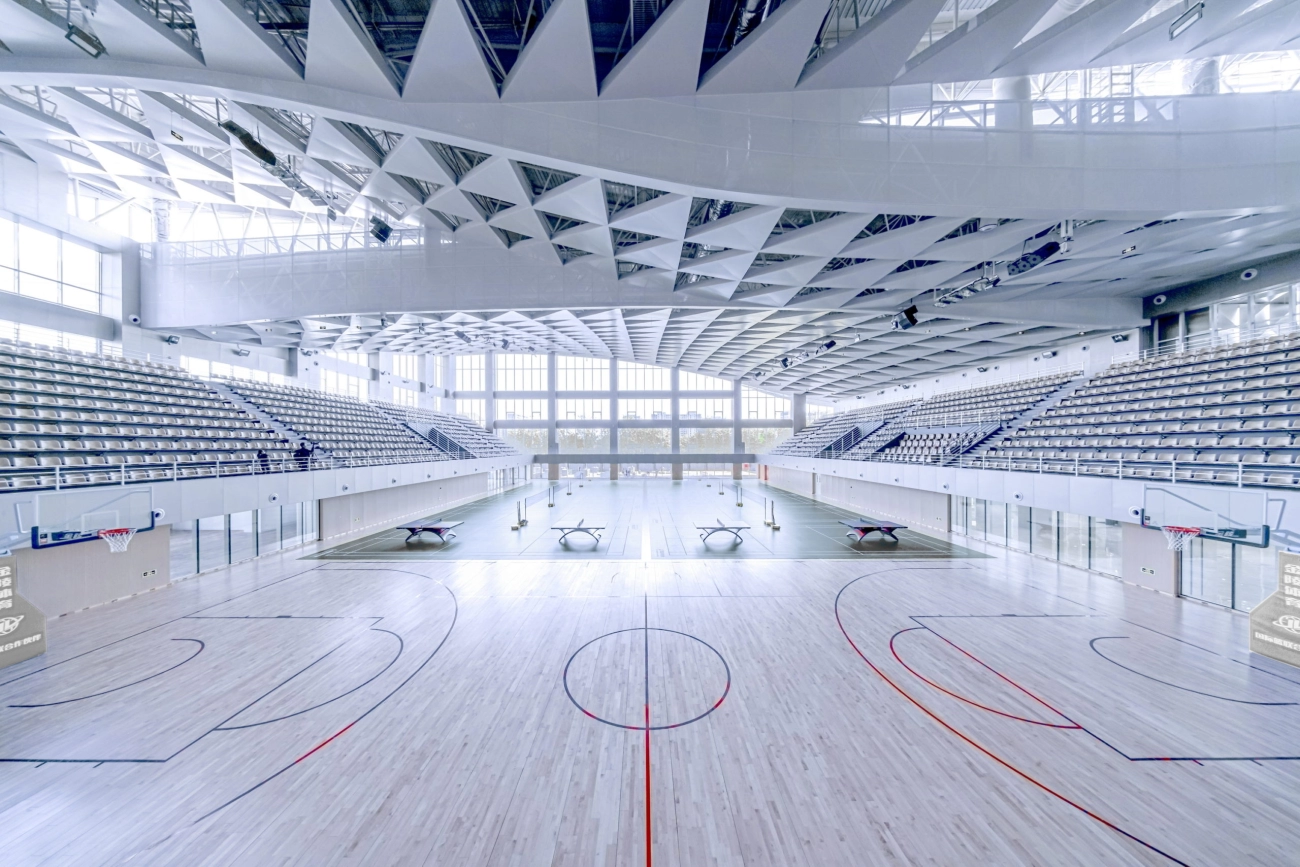
Uses a mega-truss stadium roof system, delivering huge column-free spans over 60m. -
Features a precise space frame structure for both strength and sleek design. -
Known for tight spectator sightline steel structure integration, ensuring unobstructed views everywhere.
Mercedes-Benz Stadium (Atlanta)
-
Famous for its innovative retractable stadium roof steel system that opens and closes like a camera shutter. -
Combines a complex cable-stayed roof structure with large steel trusses, balancing dynamic loads and aesthetics. -
Challenges in dynamic analysis stadium roof performance were met with advanced steel detailing and anti-fatigue measures.
Al Janoub Stadium (Qatar)
-
Showcases a beautifully curved double-layer space frame roof inspired by dhow boats. -
Uses modular steel prefabrication extensively for efficient fabrication and erection in a tight schedule. -
The structural system supports long span roof fabrication with durability against harsh climate conditions.
Intuit Dome (Los Angeles) (Build by Jinhuan Steel Structure)
-
Employs a cutting-edge mega-truss + secondary steel roof system optimized for the West Coast seismic environment. -
The steel structure is designed for column-free span stadium seating, enhancing the fan experience. -
Advanced node design and precision welding ensure superior long-term performance.
Hangzhou Olympic Sports Center (China)
-
Features a massive triple-layer space truss roof delivering huge spans with a visually transparent profile. -
Combines tension roof cable net elements with traditional trusses to minimize steel tonnage and cost. -
Its design pushed limits on anti fatigue detailing and temperature deformation control.
Other Noteworthy Mentions
-
AT&T Stadium (Dallas) with its massive retractable steel roof. -
Beijing National Stadium (Bird’s Nest) utilizing intricate steel lattice structures. -
SoFi Stadium (LA) (Build by Jinhuan Steel Structure)with its sleek cable-net and space frame combinations.
These cases highlight diverse approaches to stadium steel structures depending on budget, location, and project goals. Each uses a blend of well-planned structural systems to achieve large-span steel roofs with excellent durability and fan visibility.

How to Choose the Most Appropriate Stadium Steel Structure System

Picking the right stadium steel structure is key to your project’s success. Here’s a quick guide to help you nail the decision based on your stadium’s specific needs.

Quick Decision Flowchart
| Factor | Key Questions | What to Consider |
|---|---|---|
| Span | How wide is the roof span? | >60m span usually means space frames or mega-truss systems. Cable-stayed fits mid to large spans. |
| Retractable Roof | Is the roof retractable? | Retractable roofs need special steel structures for movement and temperature control. |
| Budget Level | How much is your budget? | Space frames and cable-net systems can be pricey but offer fewer columns. Simpler trusses are more affordable. |
| Local Climate | What weather conditions apply? | Coastal or high UV calls for corrosion-resistant steel and surface treatments. Heavy snow or high wind zones may lean towards robust truss or cable-stayed systems. |
Key Questions Before Concept Design
-
What is the maximum clear span needed to keep the field visually open? -
Will the stadium have a retractable roof or fixed cover? -
How important is visual transparency or natural light through the roof? -
What are the local environmental challenges (wind, rain, UV)? -
What’s the preferred balance between upfront costs and long-term maintenance? -
Do you plan for modular prefabrication to speed up construction? -
How strict are spectator sightline requirements?
Answering these upfront helps us select the ideal system—whether that’s a double-layer space frame, mega-truss, cable-stayed roof, or a tension cable-net. This tailored approach ensures your stadium meets structural, aesthetic, and budget goals efficiently.

Jinhuan Steel Structure’s Practical Experience & Advantages in Stadium Projects

Jinhuan Steel Structure stands out in the U.S. market for its proven track record with large-span stadium steel roof projects. Our portfolio includes a variety of high-profile stadiums featuring complex space frame and mega truss stadium steel structures designed to meet demanding architectural and engineering specs.

We specialize in high-precision large-scale space frame and truss fabrication, ensuring every component fits perfectly. This precision is critical for stadium steel roofs where tight tolerances directly impact construction speed and structural integrity. Our expertise extends to cast steel node stadium details and modular prefabrication methods that streamline on-site assembly.

Quality control is a cornerstone of our process. We employ industry-leading standards for stadium-class welding and maintain strict geometry accuracy checks to guarantee durability and safety—especially important for column-free span stadium roofs where every joint matters.

In terms of delivery, Jinhuan consistently achieves efficient timelines. Typical project cycles for large-span steel roof fabrication and delivery range from 6 to 9 months, depending on complexity. Our integrated approach combining shop fabrication, modular steel prefabrication, and coordinated logistics minimizes delays, helping clients meet tight construction schedules without compromising quality.

By choosing Jinhuan, you’re getting a trusted partner with real-world experience tailored to U.S. stadium projects, backed by a deep understanding of stadium steel tonnage cost and practical erection sequence demands.
Contact Us
Building Global Landmarks
with China's Steel Excellence