 English
 Français
 Deutsch
 Português
 Español
 русский
  한국어
한국어 العربية
 Italiano
 Indonesia
 Schweiz
 Polski
 Nederlands
 ישראל - עברית
 Perzisch
 ไทย
ไทย 日本語
日本語 ኢትዮ-አማርኛ
 Việt Nam
 Kiswahili
 Srpski
 Ελληνικά
 简体中文
简体中文The Process Behind Fabricating Steel Roofs for Stadiums
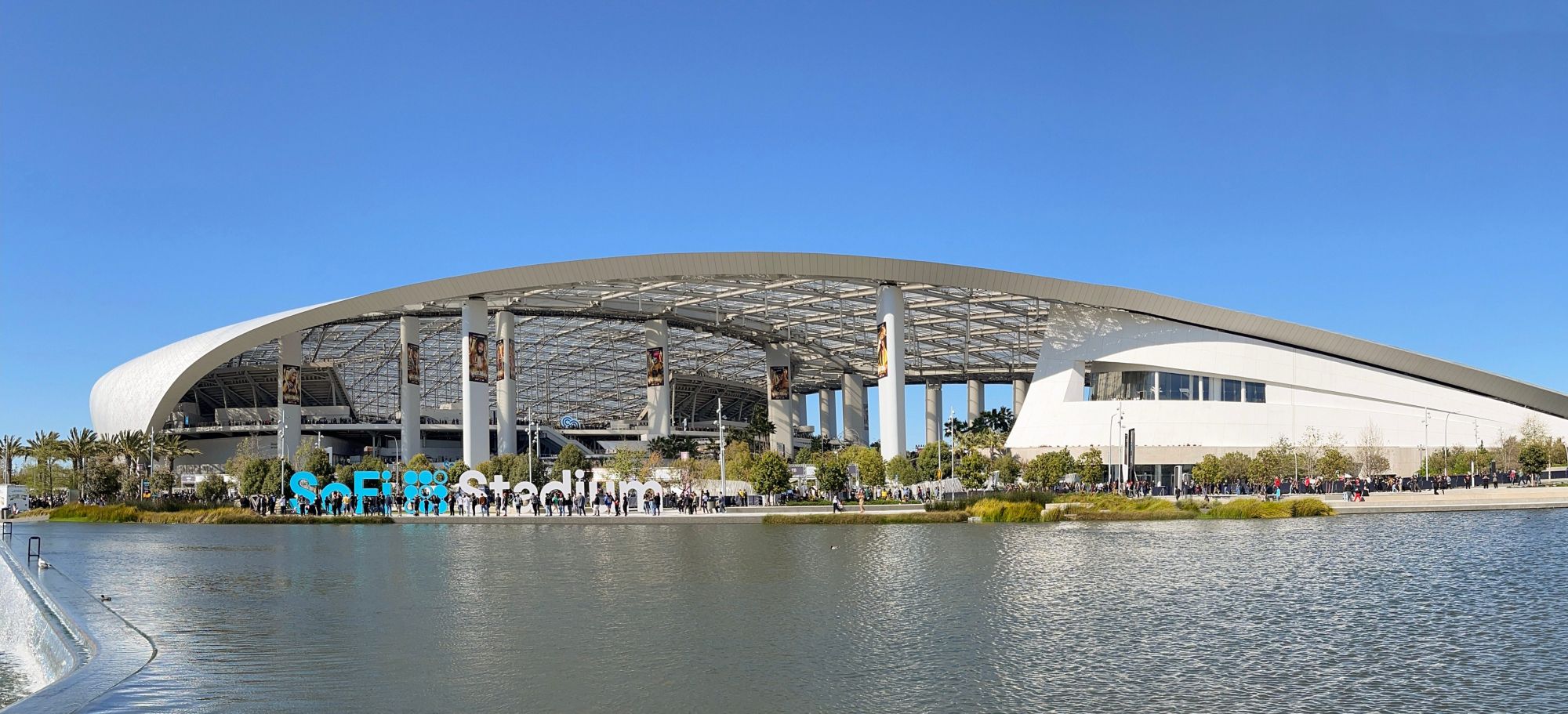
Fabricating steel roofs for stadiums requires advanced engineering and precision manufacturing.
As an experienced steel structure fabricator, Jinhuan Steel delivers the professional stadium steel roof fabrication.
You can see how Complex Steel Roof Fabrication for Landmark Stadium Projects utilizes modular prefabrication. This approach assists builders in creating roofs that are both strong and aesthetically pleasing. Engineers design specialized structural systems such as space frames and trusses. Factory workers follow meticulous procedures to ensure that each component is safe and precise. Builders prioritize safety and incorporate new technology to make stadium roofs distinctive.
-
These steps help stadiums blend style and function in innovative ways.
Key Takeaways
-
Modular prefabrication makes building stadium roofs faster. Most parts are made in factories. This helps workers spend less time building on-site.
-
Safety is very important when building steel roofs. Workers must follow strict safety rules. This helps stop accidents and keeps everyone safe.
-
Advanced engineering methods, like Building Information Modeling (BIM), help make strong roof designs. These methods also help roofs work well.
-
Different structural systems, like space frames and trusses, give special benefits to stadium roofs. They help roofs stay strong and look good.
-
Good coatings and finishes help steel roofs last over 60 years. This lowers the cost to fix them and makes them tougher.
Complex Steel Roof Fabrication for Landmark Stadium Projects
Design Complexity & Engineering
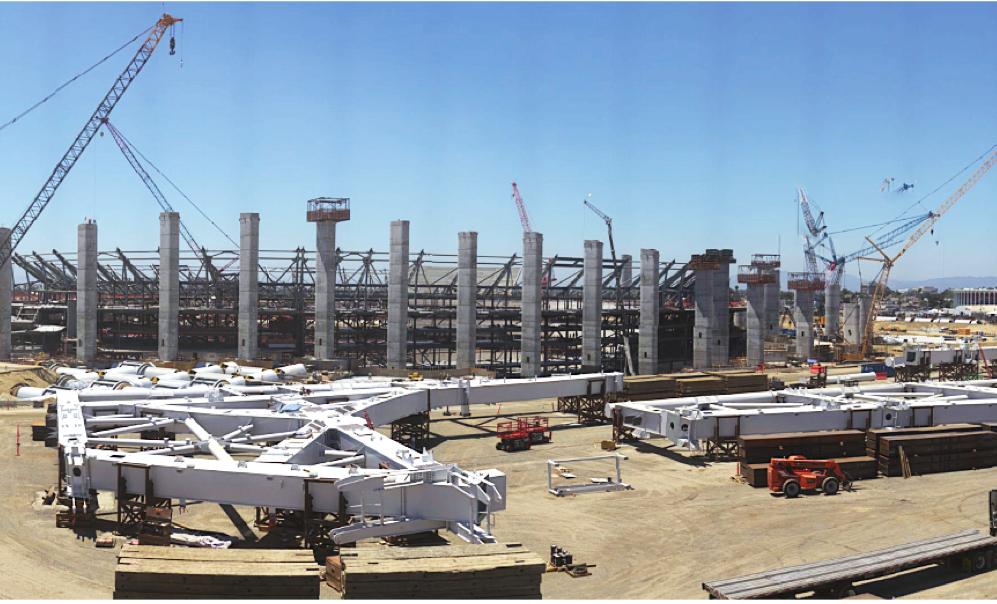
Building steel roofs for stadiums is hard. There are many problems to solve. Weather can change fast, like heat or rain. This makes designing roofs tricky. Some roofs open and close. Big steel parts must fit together just right. Workers build high up, so safety is very important. Sometimes, there are not many materials to pick from. This makes it tough to design long parts or see-through walls. Building takes a long time and needs careful planning to keep everyone safe.
Smart engineering helps fix these problems. Teams use computer programs to check every part. Engineers and architects use Building Information Modeling (BIM). BIM helps them make good shapes and use less steel. Working together makes the roof lighter and better.
Structural Systems: Space Frames, Trusses, Tensegrity
Stadium roofs use different systems. Space frames and trusses are popular. Space frames are strong and handle forces from all sides. Trusses are stable in one direction and easy to build. Space frames are good for big, curved roofs. Trusses work for simple designs.
|
Structure Type |
Characteristics |
Applications |
|---|---|---|
|
Truss |
Bears tension or pressure; needs external support |
Used in stages, bridges, roofs |
|
Space Frame |
Two-way stress; high rigidity and seismic strength |
Roof covers for stadiums, theaters |
|
Tensegrity |
Combines cables and struts; tension-based system |
Large-span stadium roofs |
Tensegrity systems use cables and struts to spread weight. These systems cover big areas without columns. This keeps the space open for fans.
Aesthetic & Functional Integration
Steel roofs for stadiums mix style and use. Architects want roofs to look cool and new. Engineers make sure the roofs are safe and work well. Curved roofs look smooth and help water drain fast. ETFE panels look nice and cost less because they are light and strong. Retractable roofs let you enjoy fresh air. Dome roofs look special and are very strong.
|
Roof Type |
Aesthetic Benefits |
Functional Benefits |
|---|---|---|
|
Curved Roof |
Modern, innovative look |
Fast drainage, directs sunlight |
|
Retractable Roof |
Versatile, open-air option |
Adaptable to weather |
|
Dome Roof |
Unique architectural feature |
Strong structural integrity |
|
ETFE Panels |
Sleek, cost-saving |
Lightweight, long-span solution |
These designs keep you safe and comfortable. Teams work together to make roofs that protect you. They also make your stadium visit fun and exciting.
Modular Prefabrication & Fabrication Steps
Factory Production & Quality Control
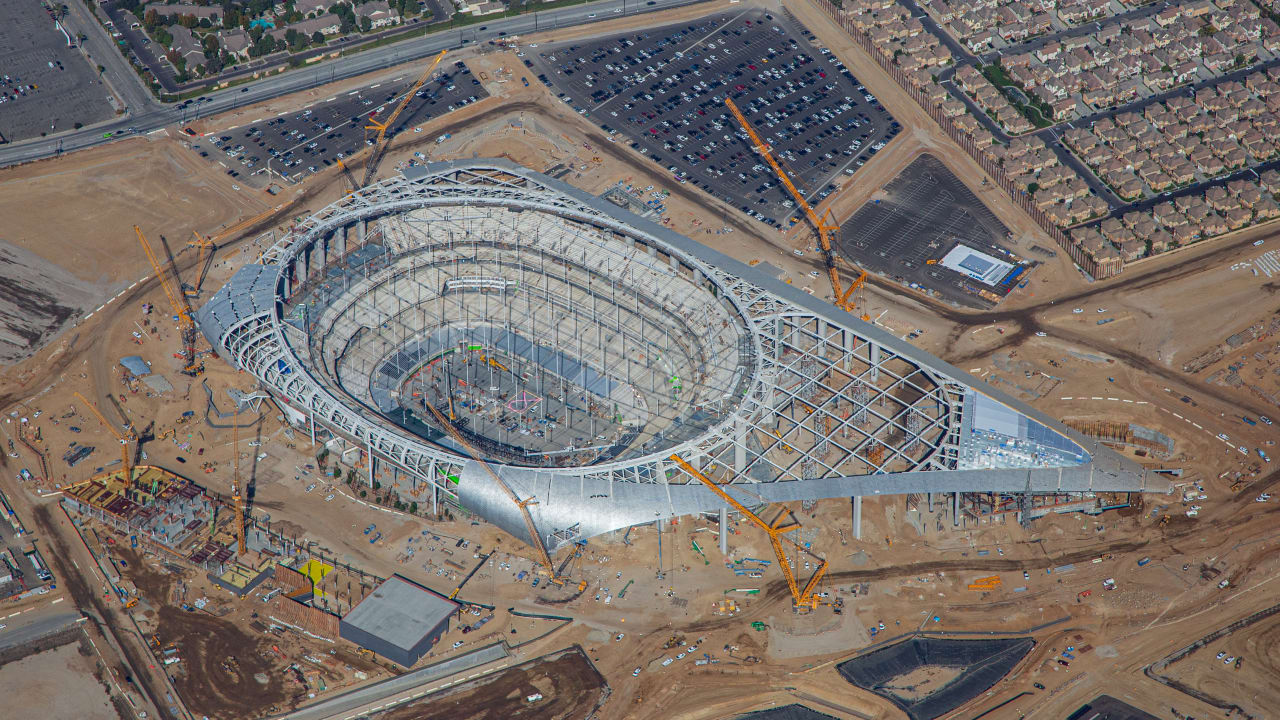
The journey to build a stadium roof starts in a factory. Most steel parts are made away from the stadium. This is called modular prefabrication. This way helps save time and makes better quality parts. Workers use machines to cut, shape, and weld steel pieces. Each piece gets checked many times before leaving the factory.
Factories follow strict rules to keep every piece safe and strong. These rules come from international standards. Here is a table that lists some main standards used in factories:
|
ISO Standard |
Quality Control Measure |
|---|---|
|
ISO 9001 |
Consistent quality |
|
ISO 1090 |
Structural safety |
|
ISO 14001 |
Environmental compliance |
|
ISO 3834 |
Quality requirements for fusion welding |
|
ISO 12944 |
Corrosion protection for long-term durability |
These standards help stop mistakes and keep the roof safe for years. Factories also use new technology. Machines like CNC lasers and robotic welders make cuts and welds perfect. Teams of engineers and workers check every step. They work together to fix problems and keep the project moving.
Cutting, Welding, Drilling, Coating
There are many steps in the factory. Each step is important for the final roof. Here is how the process usually goes:
-
Workers cut steel plates and beams to the right size.
-
Machines drill holes for bolts and connectors.
-
Welders join pieces together with special tools.
-
Inspectors check every weld and joint for strength.
-
Workers coat the steel with paint or finishes to stop rust.
Tip: Good coating and skilled welding can make a stadium roof last over 60 years. If you skip these steps or do them poorly, the roof will not last as long.
Here is a table that shows how coating affects the life of a steel roof:
|
Type of Roof |
Expected Longevity |
|---|---|
|
Coated Steel |
Over 60 years |
|
Uncoated Steel |
Less than 60 years |
Good installation and finishes help the roof fight rain, sun, and wind. Skilled workers make sure the roof stays strong and safe.
Modular Assembly & On-Site Bolting
When steel parts get to the stadium, most hard work is done. Workers use cranes to lift big modules into place. They bolt the pieces together at the stadium. This way is much faster than building everything from scratch.
Here is a quick look at the main steps in modular prefabrication for stadium roofs:
-
Concept & Feasibility Studies: You check the land, crowd size, and rules.
-
Structural Design & BIM Modeling: You use 3D models to plan every detail.
-
Off-Site Prefabrication: You build steel parts in the factory with strict checks.
-
On-Site Installation: You lift and bolt the modules into place.
-
Testing, Commissioning & Handover: You test the roof and make sure it works well.
You can compare the speed of modular construction to traditional ways in this table:
|
Construction Method |
Timeframe |
Key Advantages |
|---|---|---|
|
Traditional Construction |
6-16 months |
On-site assembly, but subject to delays |
|
Prefabricated Construction |
6-8 weeks or less |
Off-site assembly, minimal delays from weather |
You save time because most work happens in the factory. Weather and worker shortages do not slow you down as much. On-site bolting also makes the roof safer. Skilled workers tighten bolts to keep the structure stable. This step is important for safety and speed.
Note: Complex Steel Roof Fabrication for Landmark Stadium Projects can have problems during assembly. Workers must use the right ways to avoid loose bolts or weak welds. Safety teams watch every step to protect workers and keep the project on schedule.
You can see that modular prefabrication helps you build stadium roofs faster, safer, and with better quality. This way lets you enjoy new stadiums sooner and with fewer problems.
Material Handling & Safety
Transportation & Logistics
You help move steel roof modules from the factory to the stadium. Teams plan carefully so everything goes smoothly and safely. Lightweight steel space frames use less material and fuel, so shipping costs less. Modular parts fit together well, so more can go in each shipment. Most building happens away from the stadium, so you spend less time putting pieces together on site. Using recyclable steel and making less CO₂ during transport helps the environment.
Picking the right container keeps steel parts safe from harm. Here is a table that shows how different containers help:
|
Container Type |
Purpose |
|---|---|
|
20ft GP Containers |
Ideal for compact steel components and smaller structural parts. |
|
40ft GP Containers |
Suitable for larger components, ensuring efficient stacking and secure transport. |
|
40ft HQ Containers |
Used when additional vertical clearance is required for taller steel structures. |
|
Open-Top Containers |
Best for oversized beams and heavy structural frames that can’t fit in standard containers. |
|
Flat-Rack Containers |
Essential for extra-long steel members, allowing flexible loading and secure lashing. |
You can stop damage by using ionized air blowers and special films to keep dust off powder-coated panels. Double waterproof films and extra drying packs stop rust during ocean trips. Custom brackets hold long parts tight and soak up bumps from the road.
Worker Safety Protocols
You must follow safety rules when you handle and install steel roof modules. Personal protective equipment (PPE) like hard hats, gloves, and boots keep you safe. Fall protection, like harnesses and guardrails, helps stop accidents. You need to check for hazards before you start work. OSHA rules guide you and keep you safe.
More than 40% of construction worker deaths are from falls. You must use fall arrest systems and safety nets, especially when working six feet or higher.
Stadium jobs need extra safety steps. You work high up and near electricity, so you need special training. Ergonomic programs help you avoid getting hurt in small spaces. Strict rules protect you from being hit or trapped. Teams must work together when people are above or below each other.
Environmental Considerations
You help the planet by using steel because it is recyclable and good for the earth. New ways of building make less waste and use less energy. You can add solar panels or wind turbines to steel stadiums to save energy and cut pollution. Fewer steel parts mean fewer trips and less fuel used. Prefabricated parts make moving and building easier, so machines make less pollution. Most steel parts can be recycled when the stadium is old, and recycled steel uses much less energy than new steel.
By choosing green ways to build, you lower the carbon footprint of stadium construction and help make the future cleaner.
Installation & System Integration
Ground-Level Assembly
You put steel roof modules together on the ground. This way is safer and faster. You follow these steps:
-
Put frames together and lift them up. Place columns and rafters on the slab. Check the width and make sure the frame is square.
-
Build more frames and add extra steel. Put in braced frames, girts, and purlins for strength.
-
Use tools to make the building straight. Make sure frames stand tall and the roof lines up.
-
Build end walls and add eave plates. Follow the drawings to do it right.
-
Put on sheeting and trim. Line up panel ribs and use closures and sealants.
Ground-level assembly helps you avoid working high up. This lowers the chance of falling. You use supports to hold pieces steady. The SyncHoist system lifts heavy parts with control. You save money because you need less gear and fewer workers.
Roof Lifting & Positioning
You use new machines to lift and move the roof. Cranes and trucks carry big sections. Two crawler cranes can lift heavy parts. The flat assembly method keeps trusses straight. Supports help during lifting and joining.
Engineers use strand jacks with hydraulic power for careful lifting. A computer system changes speed and force to keep roof parts lined up. Encoders give feedback so you can fix mistakes. Lasers check the cable net’s spot. You join sections together after lifting them up.
Careful measuring and watching keep the roof steady. You must look for rod bending and check each part’s fit. Stadium roofs often have curved shapes, so you need 3D data for perfect placement.
Integration with Stadium Infrastructure
You connect the steel roof to the stadium’s systems. LED lights make the field bright for everyone. Audio and acoustics send clear sound to every seat. Climate control keeps the stadium comfy.
|
Benefit |
Description |
|---|---|
|
Structural Strength |
Steel is strong and lets you build big roofs with fewer columns. |
|
Flexibility |
Steel works for cool shapes and keeps the roof useful. |
|
Sustainability |
You use recycled steel, which helps the planet. |
|
Versatility |
Retractable roofs block bad weather and let in fresh air. |
|
Improved Acoustics |
The roof design makes sound better for games and fans. |
You make sure the roof covers wide spaces without columns. You use tensile fabric systems for extra support. The roof stands up to wind, rain, and sun. This keeps fans safe and comfy. You design for sound, using special materials to make events more fun.
You see how stadium roof building uses smart steps and new ideas. Modular prefabrication lets you build faster and safer. Advanced systems like space frames and trusses give you strong and stylish roofs. Safety rules protect you and your team every day.
-
You need skilled workers and teamwork for success.
-
Every stadium roof shows what you can do with planning and innovation.
Next time you visit a stadium, notice the roof. You now know the hard work and skill behind it.
For contractors and EPC partners looking for a reliable supplier, explore our stadium steel structure solutions
FAQ
What makes steel roofs strong for stadiums?
Steel gives you high strength and flexibility. Engineers design the roof with space frames and trusses. These systems help the roof handle heavy loads and strong winds. You get a safe and durable structure.
How does modular prefabrication help stadium construction?
You save time with modular prefabrication. Workers build most parts in a factory. You get better quality and fewer mistakes. On-site assembly becomes faster and safer.
Why do stadium roofs use coatings?
Coatings protect steel from rust and weather. You extend the life of the roof. Good coatings help the roof last over 60 years. You also keep maintenance costs low.
What safety steps do workers follow during installation?
Workers wear hard hats, gloves, and harnesses. You see teams use guardrails and safety nets. Safety checks happen before and during work. These steps help prevent accidents.
Can steel stadium roofs support solar panels?
Yes, you can add solar panels to steel roofs. The strong structure holds the panels safely. You help the stadium save energy and lower pollution.
Contact Us
Building Global Landmarks
with China's Steel Excellence